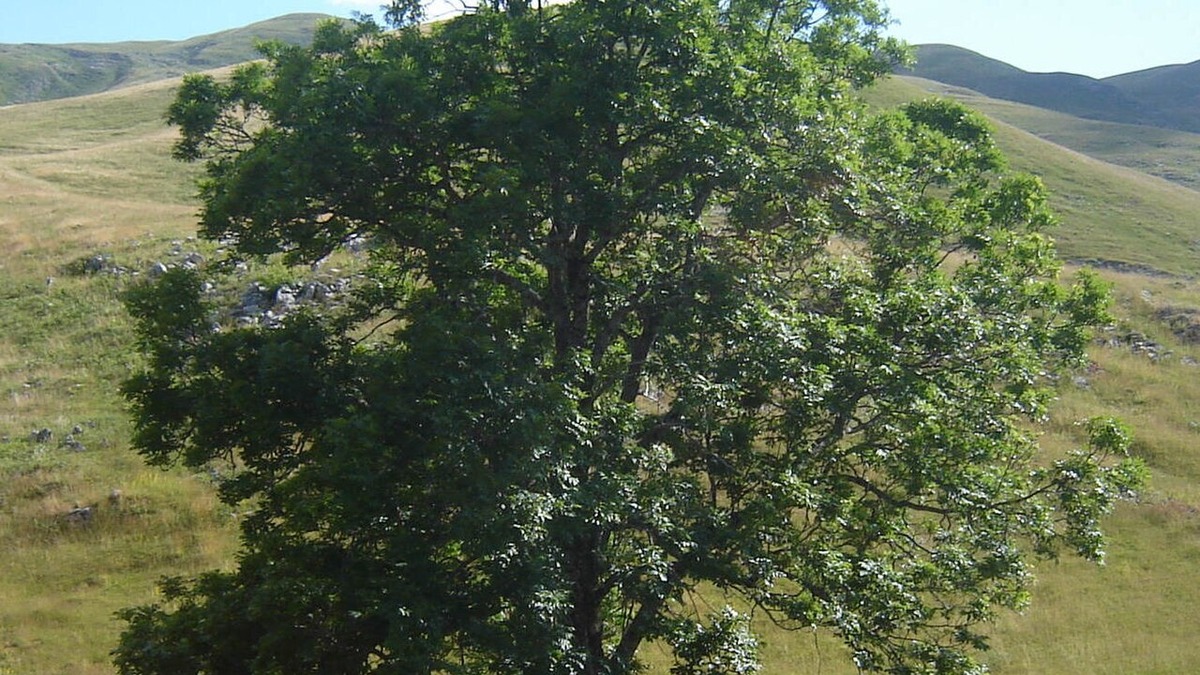
Forests represent the primary terrestrial thermostat of our planet. Through the miraculous biophysical process of oxygenic photosynthesis, trees extract hundreds of billions of tons of atmospheric carbon dioxide, converting radiant solar energy and gaseous molecules into durable woody biomass, subterranean carbon networks, and stable soil humus. As humanity confronts unprecedented atmospheric greenhouse gas concentrations and global climate disruption, understanding the intricate dynamics of forest carbon cycling—from molecular Rubisco carboxylation and whole-tree allometric biomass partitioning to subterranean carbon fluxes, forest mortality triggers, and climate feedback loops—has become one of the most critical imperatives in contemporary environmental science and arboriculture.
1. Photosynthetic Biosequestration: The Molecular Machinery of Carbon Assimilation
At the biochemical foundation of forest carbon sequestration lies photosynthesis, performed within the chloroplasts of billions of green leaves and needles suspended across global forest canopies. Atmospheric carbon dioxide enters the leaf interior through microscopic, regulated epidermal pores known as stomata, diffusing into the moist mesophyll cell walls.
Within the chloroplast stroma, the enzyme Ribulose-1,5-bisphosphate carboxylase-oxygenase (RuBisCO) catalyzes the light-independent Calvin-Benson cycle, binding gaseous CO&sub2; to a five-carbon sugar molecule to synthesize three-carbon phosphoglycerate precursors. These phosphorylated sugars are metabolically converted into glucose, fructose, and sucrose. The overall simplified stoichiometric equation governing forest biosequestration is:
6 CO2 + 6 H2O + Solar Photons → C6H12O6 + 6 O2
To produce one kilogram of solid glucose sugar, a tree must absorb approximately 1.47 kilograms of atmospheric CO&sub2; and transpire hundreds of liters of water through its leaves. The synthesized hexose sugars are subsequently polymerized into the primary structural polymers that construct wood: cellulose (a linear, crystalline chain of glucose units providing extraordinary tensile strength) and hemicellulose. Concurrently, specialized secondary metabolic pathways synthesize lignin, a complex, cross-linked aromatic heteropolymer of phenylpropanoid alcohols that infiltrates secondary cell walls, providing compressive stiffness, hydrophobic waterproofing for xylem conduits, and enzymatic resistance against microbial decay.
🔬 The 50 Percent Rule: Carbon Concentration in Dry Wood
Across nearly all temperate, boreal, and tropical tree species, dry, anhydrous wood biomass exhibits a remarkably constant elemental stoichiometry. Carbon constitutes approximately 47 to 52 percent (averaging 50%) of total oven-dry wood mass, with oxygen accounting for ~43%, hydrogen ~6%, and mineral ash/nitrogen comprising the remaining 1 to 2%. Therefore, a straightforward, universally applied dendrological rule of thumb states: Dry Wood Biomass × 0.50 = Sequestered Carbon Mass. Furthermore, because each carbon atom (atomic weight 12) in wood was derived from an atmospheric CO&sub2; molecule (molecular weight 44), 1 ton of stored wood carbon equates to approximately 3.67 tons of sequestered atmospheric CO&sub2;.
2. Allometric Biomass Partitioning: Where Trees Store Their Carbon
Once carbon is fixed by canopy leaves, it is transported via the phloem vascular stream and partitioned among competing physiological sinks according to the tree’s developmental stage, seasonal phenology, and environmental stresses. Dendrologists and forest biometrists quantify carbon distribution utilizing empirical allometric biomass equations based on measurable parameters such as trunk diameter at breast height (DBH, measured at 1.3 meters) and total tree height (H).
In a mature, healthy forest tree, carbon is partitioned across five distinct anatomical compartments:
- The Main Stem (Bole Wood and Bark): The primary long-term carbon reservoir, accounting for 55 to 70 percent of total aboveground biomass in mature timber trees. Bole wood remains biologically stable for decades to centuries, locking carbon into crystalline cellulose and cross-linked lignin.
- Crown Branches and Twigs: Comprising 15 to 25 percent of aboveground biomass, supporting the leaf display and facilitating architectural canopy expansion.
- Foliage (Leaves and Needles): Accounting for only 2 to 6 percent of total tree biomass, yet representing the dynamic photosynthetic engine. In deciduous forests, foliar carbon is shed annually as leaf litter, entering short-term decomposition cycles on the forest floor. In evergreens, needle longevity ranges from 2 to 5 years (pines) to over 30 to 45 years in Great Basin Bristlecone Pines (Pinus longaeva).
- Coarse Structural Roots (The Root Plate and Lateral Taproots): Accounting for 18 to 28 percent of total whole-tree biomass (often expressed as the belowground-to-aboveground root-to-shoot ratio of 0.20 to 0.25). Coarse woody roots anchor the tree against violent mechanical windthrow and store vast reserves of starch and non-structural carbohydrates (NSCs).
- Fine Feeder Roots: Measuring under 2 millimeters in diameter, fine roots comprise less than 2 to 4 percent of standing tree biomass at any single moment, yet they consume up to 30 to 50 percent of daily photosynthetic carbon due to rapid cellular turnover, active nutrient foraging, and respiration.
3. Comparative Carbon Storage Dynamics Across Major Terrestrial Biomes
Global forests do not store carbon uniformly; rather, the balance between aboveground living wood and belowground soil carbon shifts dramatically along latitudinal temperature and moisture gradients, as detailed in the matrix below:
| Global Forest Biome | Total Carbon Storage (Tons C / Hectare) | Aboveground Carbon Proportion (%) | Belowground Soil Carbon Proportion (%) | Primary Carbon Sink Mechanism | Vulnerability to Climate Disruption |
|---|---|---|---|---|---|
| Boreal Taiga Forests | 200 – 450 t C/ha | 15% – 25% (Small trees) | 75% – 85% (Permafrost & peat) | Deep, cold peatlands with suppressed microbial decay | Extreme: Permafrost thawing, peat wildfires, spruce beetle outbreaks |
| Temperate Rainforests (PNW) | 500 – 1,200 t C/ha | 60% – 75% (Massive trees & CWD) | 25% – 40% (Deep forest humus) | Monumental living wood volume and persistent coarse logs | Moderate to High: Summer heatwaves, megadroughts, severe wildfires |
| Temperate Deciduous Hardwoods | 150 – 320 t C/ha | 45% – 55% (Canopy oak/maple boles) | 45% – 55% (Mineral soil horizons) | Balanced wood accretion and stable mineral-associated organic matter | Moderate: Invasive pests (spongy moth, emerald ash borer), drought |
| Tropical Lowland Rainforests | 250 – 550 t C/ha | 65% – 80% (Dense wood boles) | 20% – 35% (Rapid mineral turnover) | Enormous living canopy biomass and continuous year-round growth | High: Deforestation, agricultural burning, prolonged El Niño droughts |
| Dry Tropical Savannas & Woodlands | 60 – 150 t C/ha | 20% – 35% (Scattered trees) | 65% – 80% (Deep root networks) | Subterranean root biomass and pyrogenic charcoal in soil | Moderate: Frequent surface fire regimes, pastoral overgrazing |
4. Subterranean Carbon Fluxes: From Root Exudates to Mineral-Associated Organic Matter
While the monumental trunks of ancient trees capture the human imagination, modern soil biogeochemistry reveals that more than half of all terrestrial forest carbon resides beneath our feet within forest soils. Understanding subterranean carbon fluxes requires examining how living trees actively pump carbon into the ground.
Every day, a mature forest tree translocates a substantial fraction of its newly synthesized sugars downward through the phloem into the rhizosphere—the narrow zone of soil directly influenced by living roots. Here, trees actively exude a complex biochemical cocktail known as rhizodeposition:
- Low-Molecular-Weight Exudates: Sugars, amino acids, organic acids, phenolics, and vitamins exuded through fine root tips. These exudates serve as biological fuel to stimulate mutualistic bacteria and mycorrhizal fungi in exchange for solubilized minerals (the ‘rhizosphere priming effect’).
- Mucilage and Root Cap Cells: High-molecular-weight polysaccharides secreted by root cap cells that lubricate root passage through abrasive mineral grains and bind soil particles into water-stable aggregates.
- Fine Root Necromass: Fine feeder roots have short lifespans (typically 30 to 180 days). As billions of fine rootlets die annually, their cellular debris sloughs off directly into the soil matrix, providing a continuous, deep-soil organic carbon subsidy.
Soil scientists categorize soil organic carbon into two primary functional pools: Particulate Organic Matter (POM)—unprotected plant and root fragments vulnerable to microbial decomposition—and Mineral-Associated Organic Matter (MAOM). MAOM consists of microscopic microbial byproducts, necromass, and fungal exudates that chemically bond to the surfaces of fine clay and silt mineral particles. Once bonded, MAOM is chemically and physically shielded from microbial breakdown, stabilizing carbon within forest soils for hundreds to thousands of years.
⚠️ The Permafrost Carbon Bomb in Boreal Forests
In high-latitude boreal forests (the Taiga of Canada, Alaska, and Siberia), freezing temperatures and waterlogged soils have severely suppressed microbial decomposition for tens of thousands of years. As a result, boreal forest soils and peat bogs have accumulated an estimated 1,400 to 1,700 gigatons of carbon—more than double the total quantity of carbon currently present in the entire Earth atmosphere. As Arctic temperatures rise at two to four times the global average, permafrost is thawing rapidly. Methanogenic bacteria are awakening, metabolizing ancient organic matter and venting immense plumes of carbon dioxide and methane (a greenhouse gas with 28 times the warming potential of CO&sub2; over a century), creating a catastrophic positive feedback loop that accelerates planetary warming.
5. Forest Mortality Triggers Under Climate Stress: Hydraulic Failure and Carbon Starvation
As global temperatures rise and atmospheric vapor pressure deficits (VPD) intensify, forests worldwide are experiencing unprecedented spikes in tree mortality. Plant physiologists and dendrologists identify two primary, intertwined physiological mechanisms that cause tree death during severe climatic drought:
- Hydraulic Failure (Cavitation and Embolism): Under severe drought, soil moisture dries out while atmospheric demand for water vapor surges. To extract water from bone-dry soil, trees must generate extreme negative xylem tension. If xylem tension exceeds the species’ physiological safety threshold, the water column snaps within xylem vessels or tracheids. Air is sucked through porous pit membranes into the conduit—a lethal event termed cavitation. The resulting air bubble (embolism) permanently blocks water flow. If cavitation spreads across critical xylem conduits, the tree suffers complete hydraulic failure, desiccating and dying within days or weeks.
- Carbon Starvation: When drought strikes, trees immediately close their leaf stomata to prevent excessive transpirational water loss and avoid cavitation. However, closing stomata halts all inward diffusion of atmospheric CO&sub2;, shutting down photosynthesis completely. Yet, the living tissues of the tree—cambium, parenchyma, root meristems—must continue baseline metabolic cellular respiration to stay alive, burning through stored non-structural carbohydrates (NSCs, mainly starch and sugars). If the drought persists for months or years, the tree depletes its carbohydrate reserves, becoming metabolically starved and losing the chemical energy required to synthesize defensive resins and protective polyphenols.
Weakened by carbon starvation and partial hydraulic failure, trees become utterly defenseless against secondary opportunistic invaders—most notably native and invasive bark beetles (such as the Mountain Pine Beetle Dendroctonus ponderosae). A healthy pine tree can easily flush attacking beetles out of entrance holes by exuding pressurized oleoresin. A carbon-starved, drought-stressed tree cannot generate resin pressure, allowing a few colonizing beetles to emit aggregation pheromones, initiate mass attacks, and kill millions of hectares of mature forest within a single summer season.
6. Carbon Offsets and Forest Management: Plantations vs. Natural Regeneration
In response to international climate agreements, corporate net-zero pledges, and carbon credit markets, vast capital investments are being channeled into forest-based carbon removal projects. However, dendrologists and ecologists caution that not all tree planting delivers genuine, permanent climate benefits.
A critical scientific distinction exists between commercial monoculture plantations and natural forest restoration:
- Monoculture Tree Plantations: Projects that clear natural grasslands or degraded native woodlands to plant dense monocultures of fast-growing exotic trees (such as eucalyptus, radiata pine, or hybrid poplars). While these plantations sequester carbon rapidly in their first 10 to 15 years, they exhibit high vulnerability to pest epidemics, disease, and catastrophic wildfire. Furthermore, they are typically harvested on short commercial rotations (10 to 30 years), which releases the majority of stored carbon back into the atmosphere upon harvest and soil disturbance.
- Natural Forest Regeneration and Rewilding: Allowing degraded lands to regenerate naturally with diverse, native tree species, or planting mixed-species native woodlands adapted to local edaphic conditions. Diverse natural forests accumulate far higher long-term carbon stocks, develop robust subterranean mycorrhizal networks, foster biodiversity, regulate regional watersheds, and exhibit vastly superior resilience against climatic extremes.
7. Wood Products and Carbon Substitution: The Embodied Carbon Balance
When forest trees are harvested sustainably, a portion of their stored wood carbon can be preserved within the built environment. In modern architecture, the emergence of Mass Timber technologies—such as Cross-Laminated Timber (CLT) and Glue-Laminated Timber (Glulam)—allows engineers to construct high-rise buildings using engineered wood panels rather than emissions-intensive steel and concrete.
This delivers a dual carbon benefit:
- Physical Carbon Storage: CLT panels lock the original biogenic carbon absorbed by forest trees inside urban buildings for the 50-to-100+ year operational lifespan of the structure.
- Fossil Substitution Effect: The production of Portland cement and structural steel accounts for approximately 14 to 16 percent of total global greenhouse gas emissions due to high-temperature limestone calcination and coal combustion. Substituting mass timber for steel and concrete avoids these massive industrial emissions entirely.
However, life-cycle carbon assessments (LCAs) emphasize that timber substitution delivers net positive climate benefits only when the wood is harvested from certified, sustainably managed forests where harvest volumes do not exceed annual forest growth rates and where soil carbon stocks are rigorously protected.
8. Future Outlook: Forests in a High-CO2, High-Temperature World
As atmospheric CO&sub2; concentrations exceed 420 parts per million (ppm) and continue climbing toward 500+ ppm, forests face a complex, unpredictable physiological future. In Controlled Free-Air CO&sub2; Enrichment (FACE) experiments, elevated carbon dioxide initially stimulated tree photosynthetic rates and wood growth—a phenomenon known as the CO&sub2; fertilization effect.
However, long-term ecological monitoring indicates that this fertilization bonus is rapidly constrained by two limiting factors: nutrient limitation (insufficient bioavailable soil nitrogen and phosphorus to sustain accelerated growth) and temperature-induced vapor pressure deficits that force trees to close stomata during increasingly frequent heatwaves.
To ensure our global forests remain vibrant, net-carbon-absorbing ecosystems rather than carbon-emitting liabilities in the decades ahead, global society must pair drastic reductions in fossil fuel emissions with aggressive protection of primary intact forests, restoration of degraded woodlands, and adoption of ecologically grounded arboricultural practices. Trees have safeguarded Earth’s atmospheric balance for over 380 million years; protecting them is our most fundamental pact with the living future.