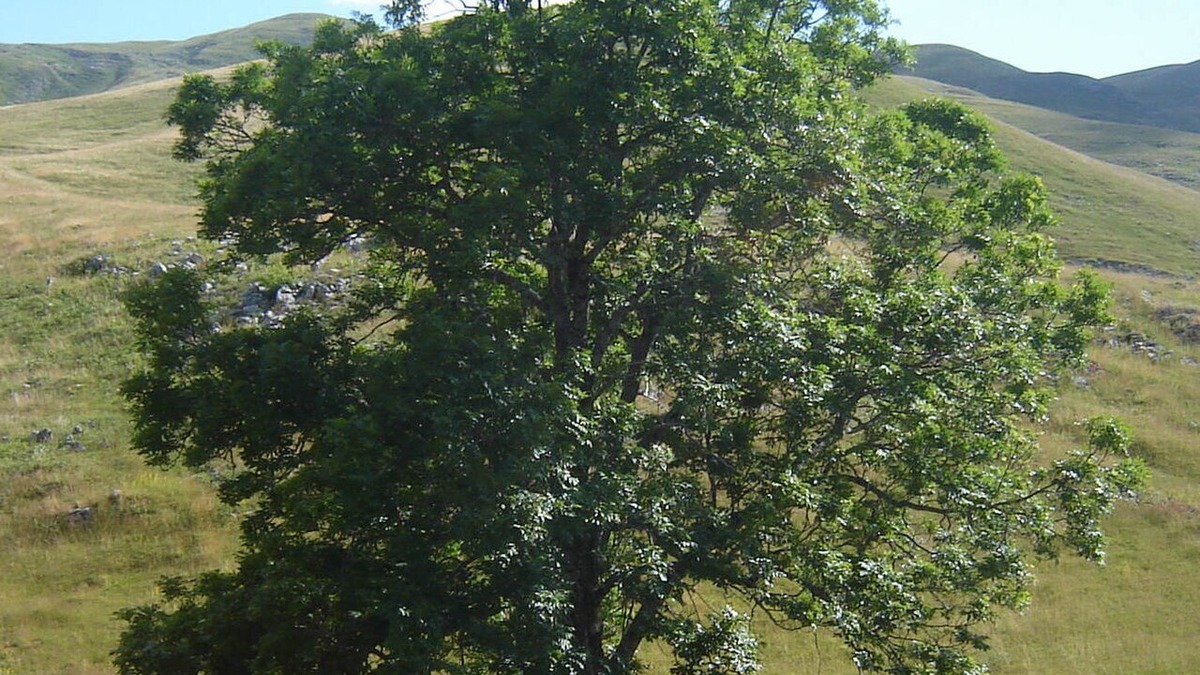
Trees and the Global Carbon Cycle: Biosequestration, Biomass Partitioning, and Climate Resilience
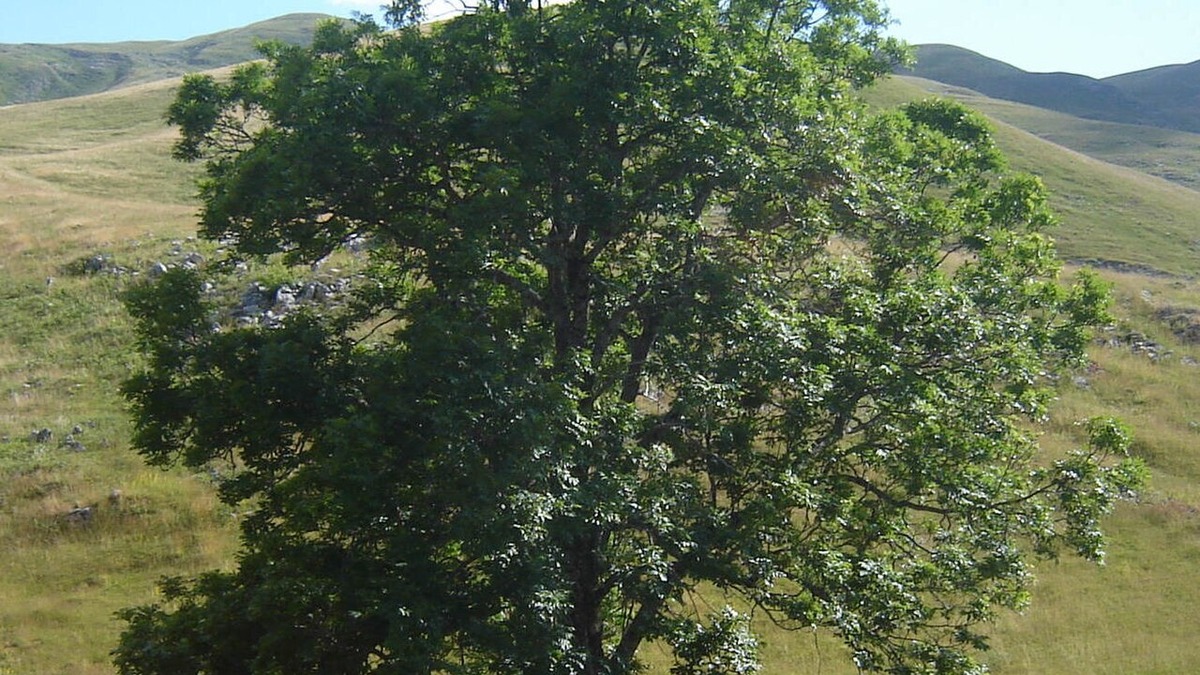
Trees and the Global Carbon Cycle: Biosequestration, Biomass Partitioning, and Climate Resilience

Forests represent the primary terrestrial thermostat of our planet. Through the miraculous biophysical process of oxygenic photosynthesis, trees extract hundreds of billions of tons of atmospheric carbon dioxide, converting radiant solar energy and gaseous molecules into durable woody biomass, subterranean carbon networks, and stable soil humus. As humanity confronts unprecedented atmospheric greenhouse gas concentrations and … Read more
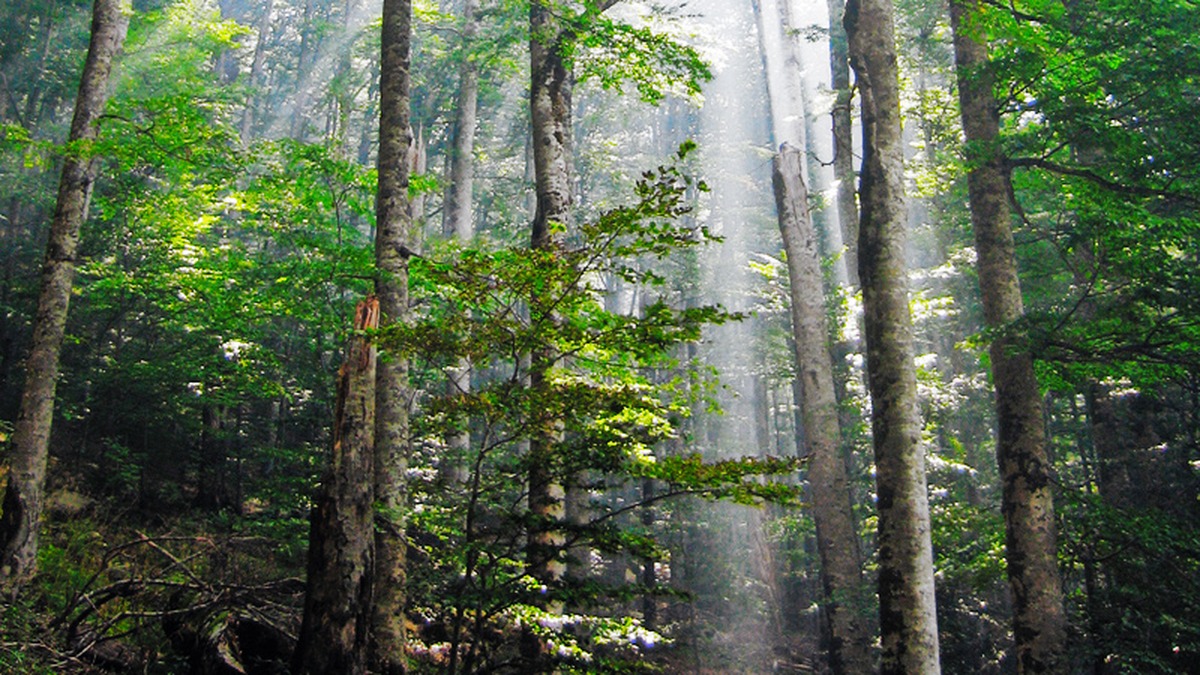

Old-Growth Forest Ecology: Coarse Woody Debris, Snag Decay Succession, and Microclimatic Buffers

Old-Growth Forest Ecology: Coarse Woody Debris, Snag Decay Succession, and Microclimatic Buffers

Old-growth forests represent the structural, biological, and ecological pinnacle of forest landscape succession. Distinct from uniform, even-aged industrial timber plantations, an ancient forest is characterized by deep structural complexity, monumental tree dimensions, multi-layered vertical canopies, and an immense abundance of dead wood in the form of standing dead snags and fallen coarse woody debris. Far … Read more

The Mycorrhizal Wood-Wide Web: Ectomycorrhizal Networks, Fungal Hyphae, and Forest Communication

The Mycorrhizal Wood-Wide Web: Ectomycorrhizal Networks, Fungal Hyphae, and Forest Communication

Beneath the tranquil carpet of fallen leaves and mossy logs on the forest floor lies one of nature’s most sophisticated and vital biological alliances: the mycorrhizal symbiosis. Trees are not isolated, atomized competitors battling independently for soil resources; rather, their root systems are physically, physiologically, and bioelectrically linked by vast subterranean networks of fungal hyphae. … Read more

Forest Canopy Dynamics: Crown Stratification, Light Attenuation, and Gap Succession

Forest Canopy Dynamics: Crown Stratification, Light Attenuation, and Gap Succession

The forest canopy represents one of Earth’s most complex and metabolically vigorous biological interfaces. Acting as the boundary layer between the terrestrial biosphere and the turbulent atmosphere, the canopy intercepts incoming solar radiation, modulates hydrological cycles, and dictates the thermodynamic microclimate of the forest interior. In temperate and tropical forest ecosystems alike, canopy architecture is … Read more