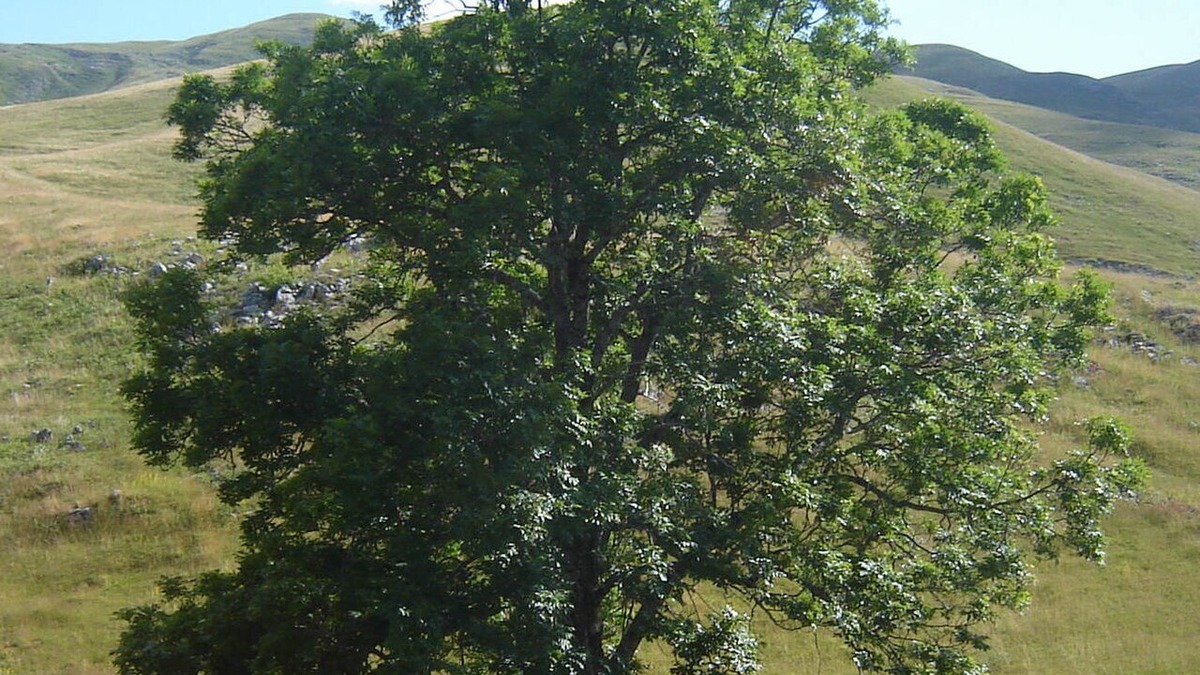
The forest canopy represents one of Earth’s most complex and metabolically vigorous biological interfaces. Acting as the boundary layer between the terrestrial biosphere and the turbulent atmosphere, the canopy intercepts incoming solar radiation, modulates hydrological cycles, and dictates the thermodynamic microclimate of the forest interior. In temperate and tropical forest ecosystems alike, canopy architecture is not a static ceiling but a dynamic, multi-layered mosaic governed by continuous biological competition, physical abrasion, light attenuation, and episodic disturbance regimes. Understanding forest canopy dynamics—from vertical crown stratification and light interception physics to microclimatic buffering and gap-phase regeneration—provides dendrologists and ecologists with foundational insights into forest succession, biodiversity maintenance, and global biogeochemical cycling.
1. Crown Stratification and Vertical Architecture in Mature Forests
In unmanaged, mature forest ecosystems, individual trees arrange their foliage into distinct vertical strata or tiers, a structural phenomenon termed vertical stratification. This vertical partitioning maximizes total photosynthetic light interception while minimizing self-shading among coexisting species. Dendrologists generally classify temperate and subtropical forest canopies into four distinct vertical structural zones:
- The Emergent Layer: Composed of exceptionally tall, isolated pioneer or long-lived climax trees whose crowns project high above the continuous canopy surface (frequently reaching heights of 45 to 80+ meters in Pacific Northwest coniferous forests or tropical dipterocarp forests). Emergent crowns endure extreme environmental fluctuations, including high wind velocities, intense desiccating solar irradiance, and violent thermal gradients.
- The Main Canopy (Dominant and Co-dominant Crowns): A contiguous, interlocking umbrella of crowns extending between 20 and 40 meters above the forest floor. In closed-canopy deciduous forests, this layer contains the vast majority of active photosynthetic surface area, absorbing over 70 to 85 percent of all photosynthetically active radiation (PAR). Co-dominant crowns form the structural backbone of the forest stand.
- The Understory and Subcanopy (Intermediate Crowns): Comprising juvenile canopy trees awaiting light release, as well as specialized, shade-tolerant small trees and tall shrubs (e.g., dogwoods, hornbeams, redbuds, and striped maples). Trees in this stratum possess physiological adaptations suited for survival in low-light regimes, maintaining net positive carbon balance under diffuse, intermittent sunflecks.
- The Shrub and Herbaceous Forest Floor Stratum: The lowest vegetative boundary, situated from soil level up to 2 meters. This layer is populated by shade-adapted ferns, vernal herbs, seedlings, and mosses that thrive in the deep twilight where less than 1 to 5 percent of ambient surface sunlight penetrates.
🌲 Crown Shyness: The Biomechanical Boundary
In many dense forest stands—most notably observed in species such as Black Mangrove (Avicennia germinans), Lodgepole Pine (Pinus contorta), and Camphor (Dryobalanops aromatica)—canopy crowns exhibit a fascinating spatial boundary phenomenon known as crown shyness (intercrown spacing). Adjacent crowns do not touch; instead, they maintain a consistent, unfoliated gap of 10 to 50 centimeters. Dendrological studies demonstrate that crown shyness is primarily driven by reciprocal mechanical abrasion: wind-induced swaying causes fragile terminal branch tips and newly emerging leaf buds to collide, causing mutual bud breakage and pruning away colliding shoot meristems. This structural spacing simultaneously reduces larval insect transmission and improves light penetration into subcanopy layers.
2. Light Attenuation Physics: The Beer-Lambert Law in Forest Canopies
As solar radiation descends through a forest canopy, its intensity decreases exponentially with cumulative foliage depth. Quantitative silviculturists and plant physiologists model this physical light extinction utilizing an adaptation of the Beer-Lambert Law of optical physics:
Iz = I0 × e(−k × LAI)
Where Iz represents the light irradiance reaching a specific height z within the canopy, I0 is incident solar irradiance above the canopy, k is the dimensionless light extinction coefficient (typically ranging from 0.3 for steep, erectophile leaves like grasses and conifers to 0.7–0.9 for flat, planophile horizontal broadleaves), and LAI represents the Leaf Area Index—the total one-sided green leaf area per unit ground surface area (m²/m²).
In dense, multi-tiered temperate rainforests, LAI values can reach between 8 and 14, meaning there are 8 to 14 square meters of leaf foliage suspended above every single square meter of forest ground. By the time direct sunlight filters through this immense photosynthetic filter to the forest floor, its spectral composition is fundamentally altered. Chlorophyll pigments selectively absorb blue (430–450 nm) and red (660 nm) wavelengths for photosynthesis, while reflecting and transmitting green (550 nm) and near-infrared (730 nm) radiation.
Consequently, the subcanopy light environment is not merely dim; it is spectrally skewed, characterized by an exceptionally low Red to Far-Red ratio (R:FR). Whereas open sunlight exhibits an R:FR ratio of approximately 1.15 to 1.20, forest floor light under closed deciduous foliage drops precipitously to 0.05 to 0.20. Understory tree seedlings perceive this altered spectral signature through specialized photoreceptor proteins termed phytochromes. In shade-intolerant pioneer species, a low R:FR ratio triggers aggressive elongation of hypocotyls and internodes (shade avoidance syndrome), whereas shade-tolerant climax saplings downregulate apical extension, expanding broad, paper-thin horizontal leaves to harvest fleeting sunflecks.
3. Comparative Canopy Stratification Matrix Across Global Forest Biomes
Canopy structure varies dramatically across global biomes based on precipitation, temperature extremes, seasonal photoperiods, and soil edaphic constraints. The following comparative matrix outlines structural and ecological characteristics across major forest formations:
| Forest Biome | Dominant Canopy Height | Canopy Stratification Layers | Average Leaf Area Index (LAI) | Canopy Light Transmission to Ground | Disturbance Regime Drivers |
|---|---|---|---|---|---|
| Tropical Lowland Rainforest | 35 – 55 m (Emergents > 70 m) | 4 – 5 Multi-tiered continuous layers | 7.0 – 12.0 m²/m² | < 1.0 - 2.0% PAR | Single tree-fall gaps, liana loads, windthrow |
| Temperate Broadleaf Deciduous | 25 – 38 m | 3 – 4 Distinct seasonal layers | 5.0 – 8.5 m²/m² | 1.5 – 3.5% (summer), 40 – 70% (winter) | Microbursts, ice storms, fungal pathogens |
| Temperate Coniferous Rainforest | 45 – 85 m | 3 – 4 Vertically diffuse continuous layers | 9.0 – 15.0 m²/m² | 2.0 – 5.0% PAR year-round | Windthrow, episodic fire cycles, bark beetles |
| Boreal Taiga Forest | 15 – 25 m | 1 – 2 Open, conical discontinuous layers | 2.0 – 4.5 m²/m² | 10.0 – 25.0% PAR | Stand-replacing wildfire, spruce budworm outbreaks |
| Mediterranean Sclerophyllous | 8 – 18 m | 1 – 2 Open scrub-woodland savannah | 1.5 – 3.5 m²/m² | 20.0 – 45.0% PAR | Frequent seasonal wildfire, prolonged drought cycles |
4. Gap-Phase Dynamics and Forest Regeneration Mechanisms
Natural forests are rarely static monocultures; rather, they exist as dynamic mosaics of shifting patches at different developmental stages, a concept formalized in ecology as the mosaic cycle concept. The primary engine driving structural renewal in mature old-growth forests is gap-phase dynamics.
A canopy gap is created when one or more dominant trees die and fall, whether through localized senescent collapse, root-rot fungal decay, windthrow (tree blowdown), or lightning strikes. The physical opening of the canopy alters the microclimate of the gap zone in several profound ways:
- Irradiance Influx: Solar radiation reaching the ground within a 200–500 m² canopy gap increases by a factor of 10 to 50 compared to the adjacent intact understory, converting a deep-shade microclimate into a high-light biological incubator.
- Soil Moisture and Nutrient Surges: Because the fallen canopy tree no longer transpires hundreds of gallons of water daily, soil moisture in the gap center rises significantly. Concurrently, the decomposition of fine root systems and deposited green foliage releases a pulse of bioavailable nitrogen and phosphorus.
- Thermal Amplitude Fluctuations: Without the insulating canopy buffer, ground temperatures experience wider diurnal swings, characterized by warmer daytime maxima and colder nocturnal radiational cooling.
Forest seedlings and saplings respond to canopy openings via three distinct regenerative pathways:
- The Seed Bank Response: Dormant, buried seeds of early-successional pioneer species (such as Prunus pensylvanica, Betula papyrifera, and Rubus species) detect elevated red light (high R:FR ratio) and thermal oscillations, breaking seed dormancy within days to germinate en masse.
- The Advance Regeneration Release: Highly shade-tolerant saplings (such as Acer saccharum, Fagus grandifolia, and Tsuga canadensis) that have persisted for decades in the understory under severe suppressed growth (stunted advance reproduction) instantly upregulate their photosynthetic machinery. Their apical shoot elongation surges from a few millimeters per year to 30 to 80 centimeters annually, racing to seal the canopy gap from below.
- Lateral Crown Expansion: Surrounding mature border trees extend horizontal lateral branches into the sunlit void, a phototropic response known as gap closure from borders. In small gaps (< 100 m²), lateral branch growth can close the opening within five to eight years before understory saplings reach the canopy.
☀️ Sunflecks: The Metabolic Engine of Understory Survival
In closed temperate and tropical forests, diffuse background understory light is insufficient to sustain positive net carbon gain in juvenile trees. Understory saplings depend almost entirely on sunflecks—fleeting beams of direct solar irradiance that penetrate canopy fissures for seconds or minutes as wind rustles upper foliage. Although sunflecks account for only a tiny fraction of daylight hours, they provide 60 to 90 percent of the total daily photosynthetically active radiation harvested by understory plants. To exploit sunflecks, shade-tolerant seedlings maintain ‘primed’ photosynthetic enzymes (such as RuBisCO activase) and rapid stomatal opening kinetics, enabling them to reach maximum carbon assimilation rates within 30 to 60 seconds of light exposure.
5. Epiphytic Communities and Microhabitats of the Upper Canopy
The upper crown architecture of mature forest trees supports specialized arboreal communities that rarely interact directly with terrestrial ground soil. In temperate old-growth rainforests—such as the coastal redwood and Douglas-fir forests of the Pacific Northwest—the massive, horizontal limbs of centuries-old trees accumulate decades of decaying needles, airborne dust, and fungal biomass, forming deep mats of arboreal soil (canopy humus) up to 30 to 100 centimeters thick suspended 60 meters in the air.
These elevated soil deposits nourish luxuriant communities of epiphytic ferns (such as the Leatherleaf Fern Polypodium scouleri), bryophytes, and lichens. In tropical rainforests, vascular epiphytes—including bromeliads, orchids, and aroids—dominate canopy branches. Tank bromeliads impound gallons of rainwater within their overlapping leaf bases, forming miniature hanging aquatic ecosystems (phytotelmata) that provide breeding habitat for arboreal poison dart frogs, salamanders, and aquatic insect larvae that spend their entire lifecycles without touching the ground.
Furthermore, ancient canopy branches develop complex morphological microhabitats essential for forest fauna:
- Rot Holes and Hollows: Created where massive branches shear off and heart-rot fungi excavate internal decay columns, providing nest cavities for flying squirrels, bats, and hole-nesting birds such as owls and hornbills.
- Witches’ Brooms: Dense, dwarf-like branch proliferations induced by parasitic mistletoes (genus Arceuthobium) or rust fungi, functioning as preferred nesting platforms for sensitive arboreal mammals like the Northern Spotted Owl and Red Tree Vole.
- Lichen Epiphytic Mats: Fruticose canopy lichens (such as Usnea longissima, Methuselah’s beard lichen) fix atmospheric nitrogen high in the treetops, which washes down in precipitation (throughfall and stemflow) to naturally fertilize forest floor soils.
6. Canopy Microclimate Buffering and Climate Change Mitigation
One of the most vital ecological functions performed by contiguous forest canopies is microclimatic thermal buffering. By intercepting incoming solar radiation in summer and trapping longwave terrestrial thermal radiation at night, mature canopies dramatically decouple subcanopy conditions from regional macroclimatic weather extremes.
Sensory microclimate networks deployed throughout global forests reveal that maximum daily summer air temperatures below a closed forest canopy are, on average, 2.5°C to 6.5°C cooler than adjacent open pastures or clearcuts, while winter minimum temperatures are 1.0°C to 3.0°C warmer. In dense tropical and temperate rainforests with multi-layered stratifications, subcanopy summer cooling can exceed 8°C to 10°C.
This microclimatic insulation creates a stable thermal refugium that shields heat-sensitive forest floor organisms, amphibians, myxomycetes, and shade-obligate seedlings from extreme heatwaves, drying desiccating winds, and unseasonal frosts. As global macroclimatic temperatures rise under anthropogenic climate disruption, the preservation of structurally complex, continuous forest canopies becomes paramount for buffering forest biodiversity against planetary thermal stress.
7. Canopy Access Technologies and Canopy Crane Research
Historically, the forest canopy was described by pioneering ecologist Terry Erwin as the ‘last biotic frontier’—an inaccessible realm beyond the reach of terrestrial field botanists. Over the past three decades, revolutionary technological innovations have transformed canopy dendrology into an exact, quantitative science.
Modern arboricultural researchers employ an array of sophisticated access methods:
- Single-Rope Technique (SRT) and Arborist Ascenders: Utilizing modified speleological and mountaineering climbing gear, arborists shoot weighted lines over high canopy branches with pneumatic air guns, ascending directly into the emergent crown without damaging tree bark or cambium.
- Canopy Walkway Systems: Engineered suspension bridges suspended between ancient trees, linking research platforms that allow continuous, non-destructive ecological monitoring of phenology, foliar gas exchange, and animal movements across crown tiers.
- Canopy Research Cranes: Towering construction cranes permanently installed in forest reserves (such as the Wind River Canopy Crane in Washington State and the Leipzig Canopy Crane in Germany). A 360-degree rotating horizontal boom equipped with a motorized gondola lowers researchers directly into any coordinate of the three-dimensional canopy volume, facilitating laser scanning, gas exchange measurements, and branch-level experimental manipulations.
- LiDAR and Drone Photogrammetry: Unmanned aerial vehicles (UAVs) equipped with multispectral sensors and Light Detection and Ranging (LiDAR) emit millions of laser pulses per second, reconstructing centimeter-accurate three-dimensional structural models of canopy foliar density, gap architecture, and individual tree crown volumes over landscape scales.
8. Forest Management Implications: Mimicking Natural Canopy Gaps
Contemporary ecological forestry has moved away from traditional clearcutting toward silvicultural systems that mimic natural gap-phase disturbance patterns. Systems such as variable retention harvesting, single-tree selection, and group selection deliberately create structural gaps ranging from 0.05 to 0.5 hectares, mirroring natural windthrow mortality.
By retaining structural legacy elements—including living emergent reserve trees, large-diameter snags, and multi-layered understory patches—foresters maintain canopy microclimatic buffering, foster natural advance regeneration of shade-tolerant species, and preserve arboreal epiphyte seed sources. Understanding the precise biophysical mechanics of canopy dynamics enables forest resource managers to balance sustainable commercial timber harvests with biodiversity conservation, forest carbon storage, and ecological resilience against 21st-century environmental challenges.